About Kibuli
Eighty years of seeking knowledge
Founded in 1945 to educate Muslim children on Kibuli Hill, Kibuli Secondary School has grown into a co-educational, government-aided institution serving students from across East Africa.
School overview
A profile of Kibuli Secondary School
Kibuli Secondary School was established in 1945 by the Uganda Muslim Education Association (UMEA) as a Junior School, on land donated by the late Prince Hajj Badru Wasajja Kakungulu on Kibuli Hill. Its founding objective was to educate Muslim children and redress the historical imbalance in Muslim education relative to other religious denominations.
The school today sits on 28.6 acres in the heart of Kampala, held in the custody of the Young Men Muslim Association (YMMA). It is a government-aided, mixed boarding o' and a' level comprehensive secondary school, and a leading Muslim secondary school in the country.
In 1960 Kibuli Junior School was upgraded into secondary school education for both Muslims and non-Muslims, starting as a private school. In 1962 it became Government-aided, and in 1968 it was upgraded to ‘A’ Level status.
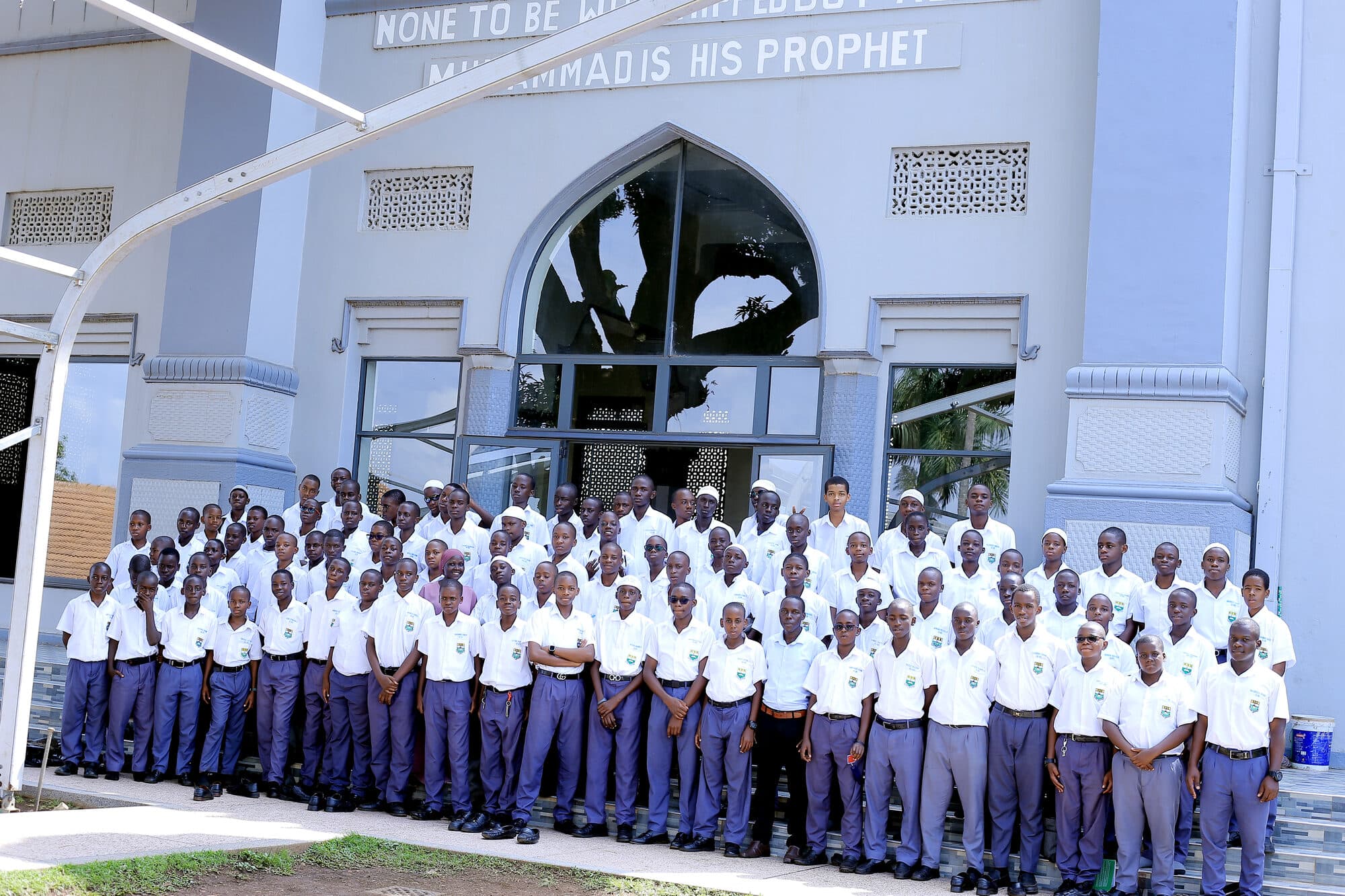
Kibuli attracts students not only from Uganda, but from the neighbouring countries of Kenya, Tanzania, Rwanda, Burundi, South Sudan and Somalia.
What we stand for
Vision, mission & core values
Our Vision
To be a leading school of excellence in academics, sports and Islamic ethos.
Our Mission
To produce a morally educated individual with skill and knowledge for self and national development.
Core Values
- God fearing
- Integrity
- Tolerance
- Adherence
- Respect for person and property
“Seek Knowledge”
Our history
Milestones since 1945
1945
Established by the Uganda Muslim Education Association (UMEA) as a Junior School, on 20 acres of land donated by the late Prince Hajj Badru Wasajja Kakungulu on Kibuli Hill, to educate Muslim children and redress the historical imbalance in Muslim education.
1960
Upgraded into secondary school education for both Muslims and non-Muslims, starting as a private school.
1962
Became a Government-aided school.
1965–1975
The United States government, through USAID and the 1st and 2nd IDA projects, contributed to the construction of the Administration block and Laboratories. The Aga Khan Foundation, individual members and parents (through the PTA) built other facilities.
1968
Upgraded to 'A' Level status.
Heritage & people
A story worth telling
For eight decades, Kibuli has shaped generations of Ugandan leaders in public service, industry, the professions, sport and the arts. This is where their story is told.
Head teachers through the years
Hajj Ssemakadde Ibrahim
Head Teacher · present
Profiles and portraits of Kibuli’s former head teachers are being compiled. If you can help with names, dates or photographs, we would love to hear from you.
Notable alumni
Kibuli’s old students have gone on to lead across many fields:
Alumni profiles, stories and quotes are being gathered through Kibuli Old Students Association (KOSA).
Share your story1945
Founded
2,347
Students
225
Staff
28.6
Acres
Our students
Enrolment by class
| Class | Male | Female | Total |
|---|---|---|---|
| S.1 | 300 | 220 | 520 |
| S.2 | 277 | 183 | 460 |
| S.3 | 228 | 191 | 419 |
| S.4 | 215 | 169 | 384 |
| S.5 | 195 | 148 | 343 |
| S.6 | 135 | 86 | 221 |
| Total | 1350 | 997 | 2347 |
Our staff
A qualified, experienced team
All our teachers are graduate teachers, with more than half holding a master's degree or pursuing doctorates. Teaching experience ranges from 5 to 20 years, with continuous in-service and refresher training.
| Category | Male | Female | Total |
|---|---|---|---|
| Teachers | 93 | 32 | 125 |
| Technical staff | 24 | 19 | 43 |
| Group employees | 36 | 21 | 57 |
| Total | 153 | 72 | 225 |
Leadership
School administration
Hajj Ssemakadde Ibrahim
Head Teacher
Hajj Bwete Ismail
Deputy Head Teacher — Administration & Personnel
Hajj Ddamulira Juma Kaddu
Deputy Head Teacher — Academics
Hajjat Nassaza Sarah
Deputy Head Teacher — Welfare
From the Head Teacher
Hajj Ssemakadde Ibrahim
The task before me as Head Teacher of Kibuli Secondary School is great. I intend to be exemplary and transparent in all my actions, accountable to all our stakeholders, and committed to the institution and to motivating staff, students and all who walk with us. Working together with my staff, I hope to bring the school to new heights. Let us work together to improve Kibuli Secondary School as we “seek knowledge”.
Board & governance
How Kibuli is governed
The Board of Governors is the top governing body of the school, made up of men and women of high integrity and character. It governs the school, administers its property and funds, provides for the welfare and discipline of students and staff, and fixes fees and charges with the approval of the Minister.
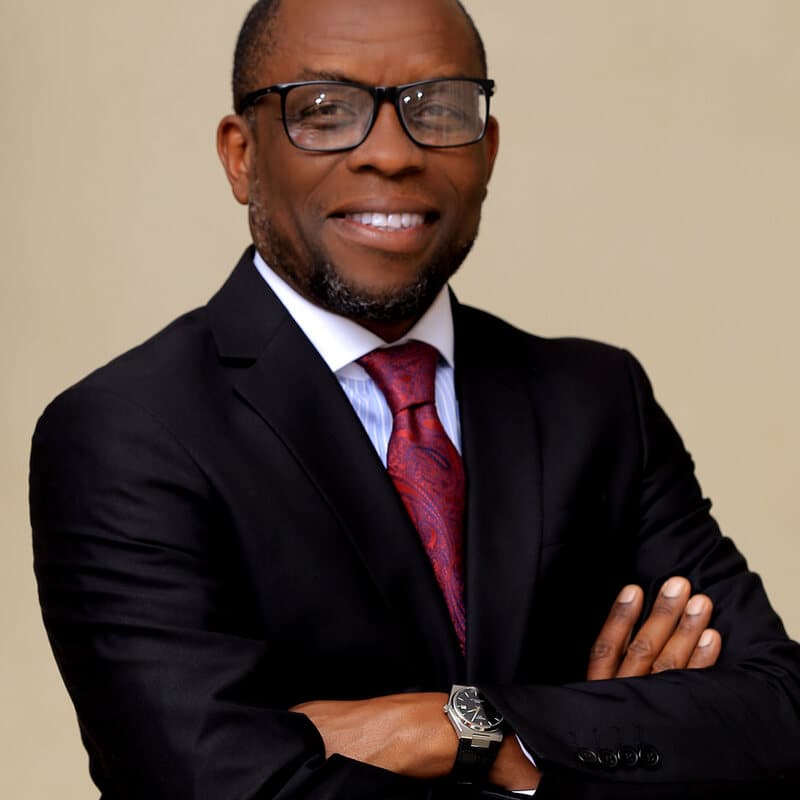
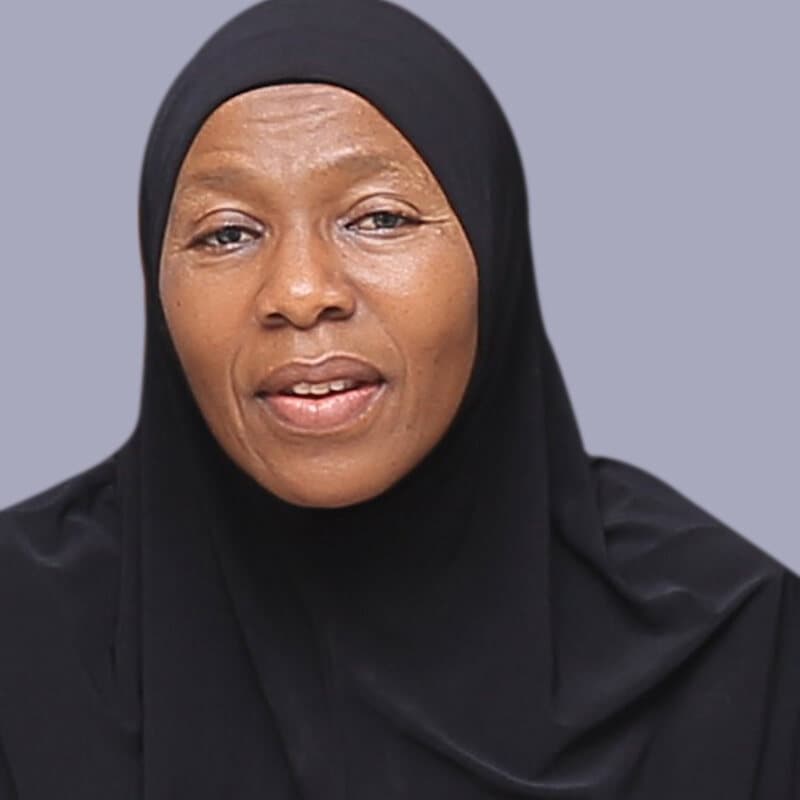
Chairperson
Hajj Jamil Bawalaggana Sewanyana
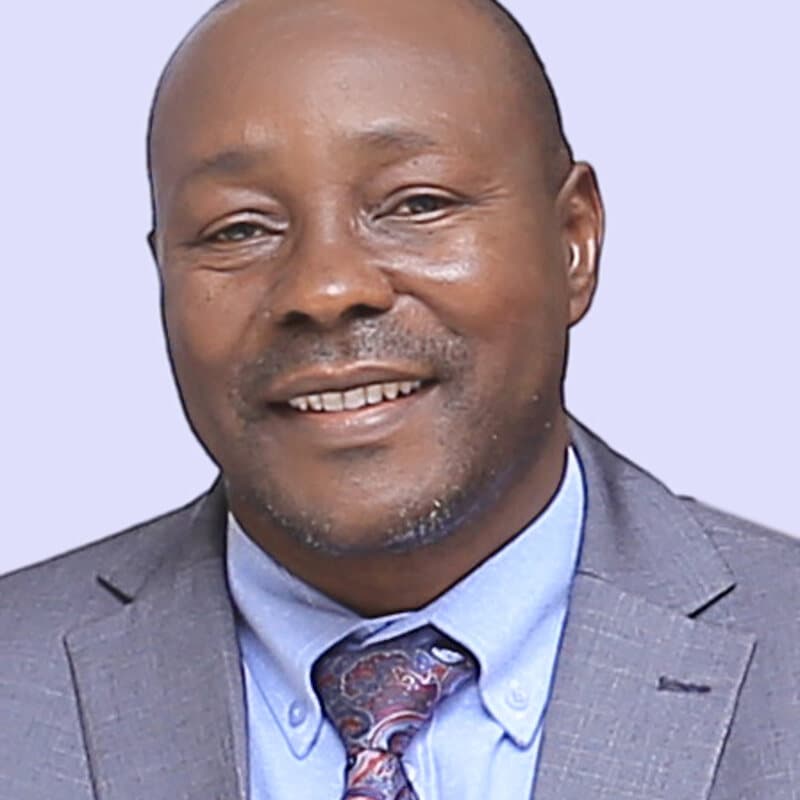
Vice Chairperson
Dr. Joweria Mayanja Teera
Secretary / Head Teacher
Hajj Ssemakadde Ibrahim
Members of the Board of Governors (2026)
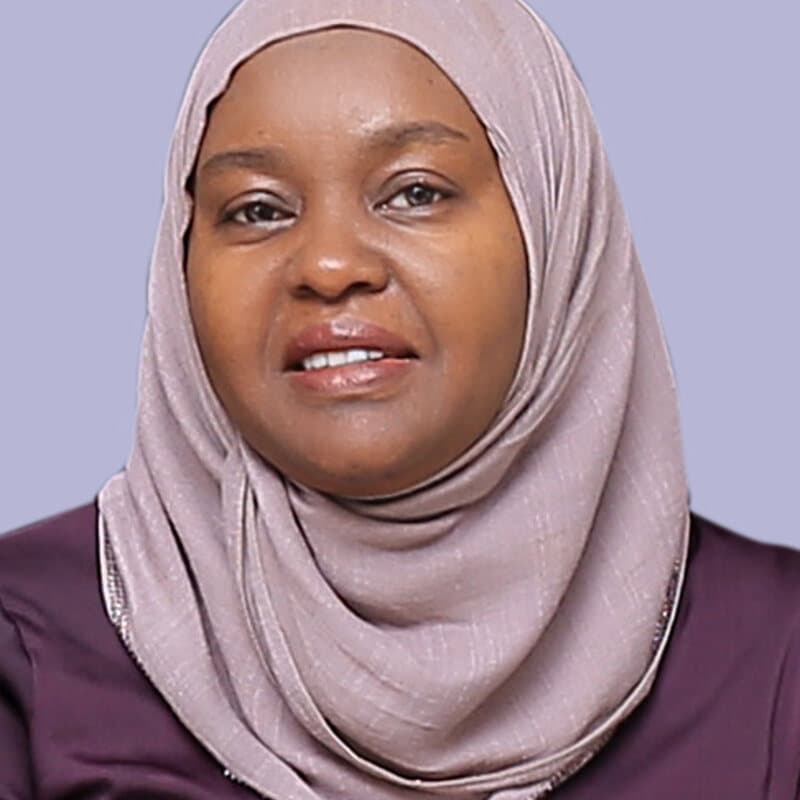
Hajjat Rehema Jingo Kakonge
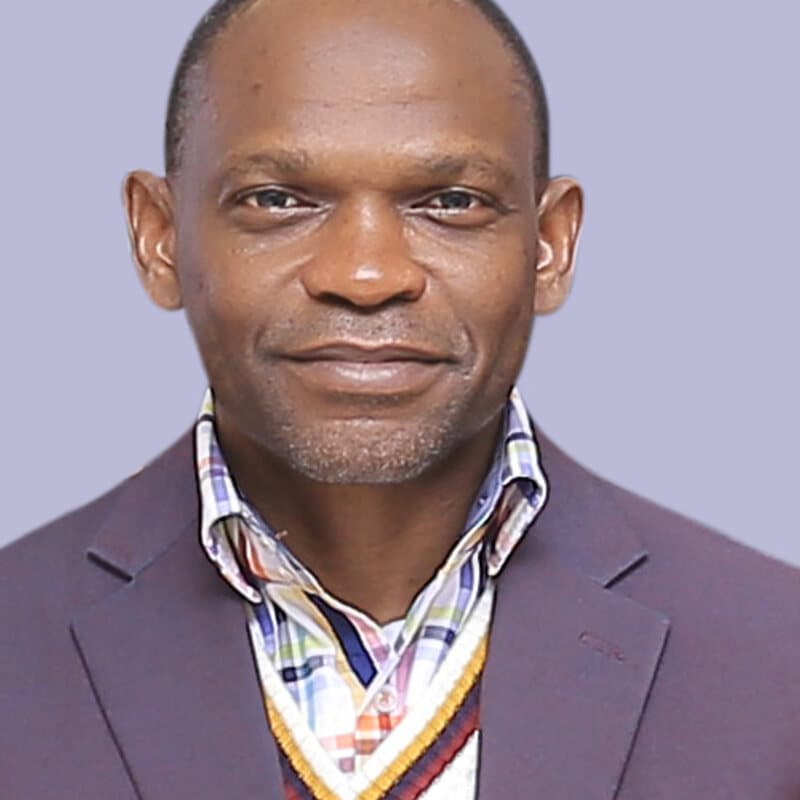
Prof. Umar Kakumba
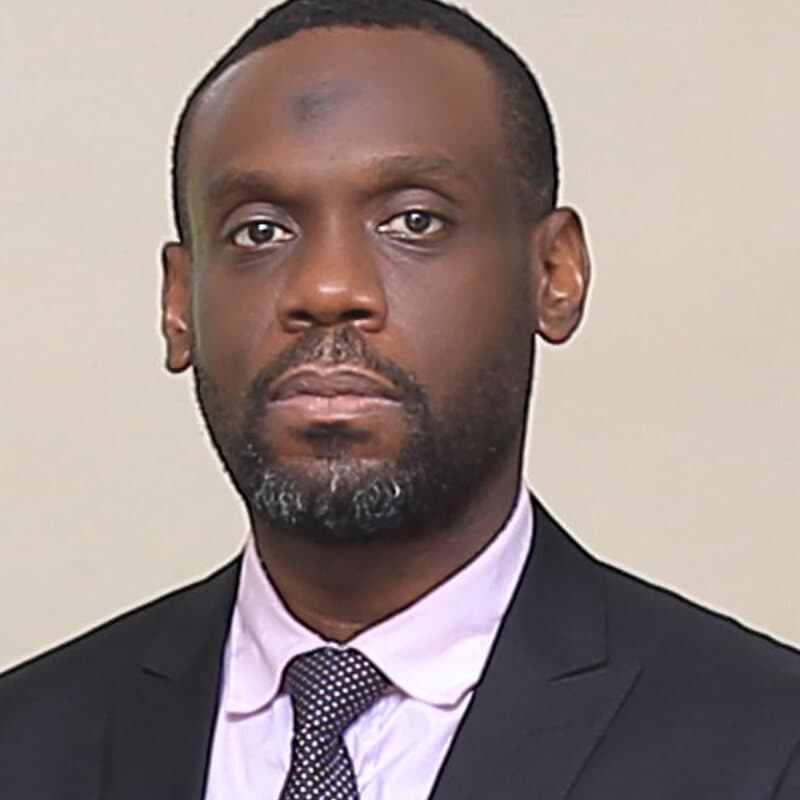
Mr. Matovu Elias
Prof. Sa'adat Nakyejwe Kimuli
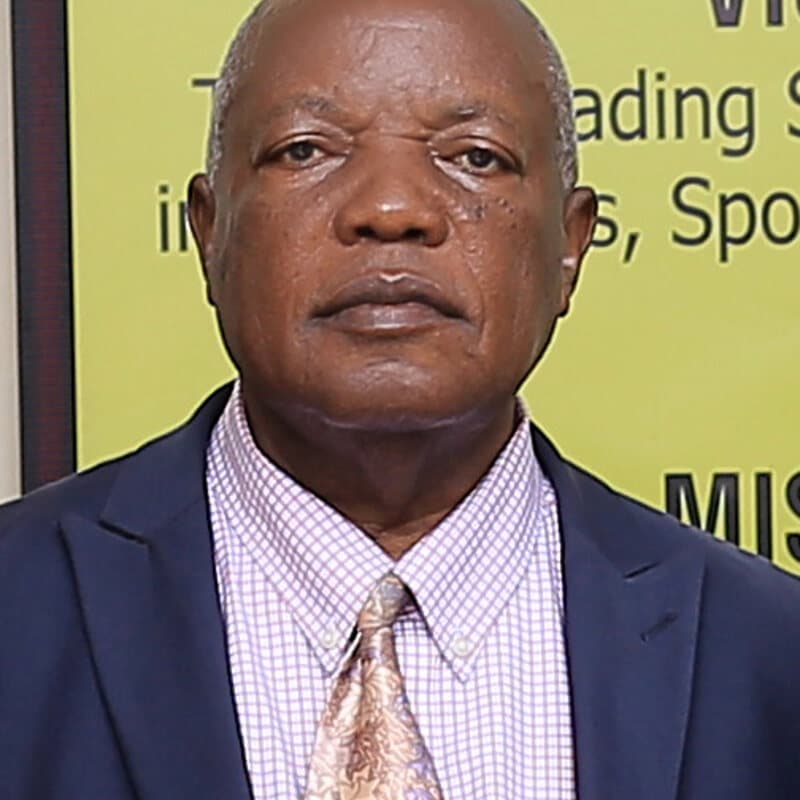
Dr. Buwembo Kakande
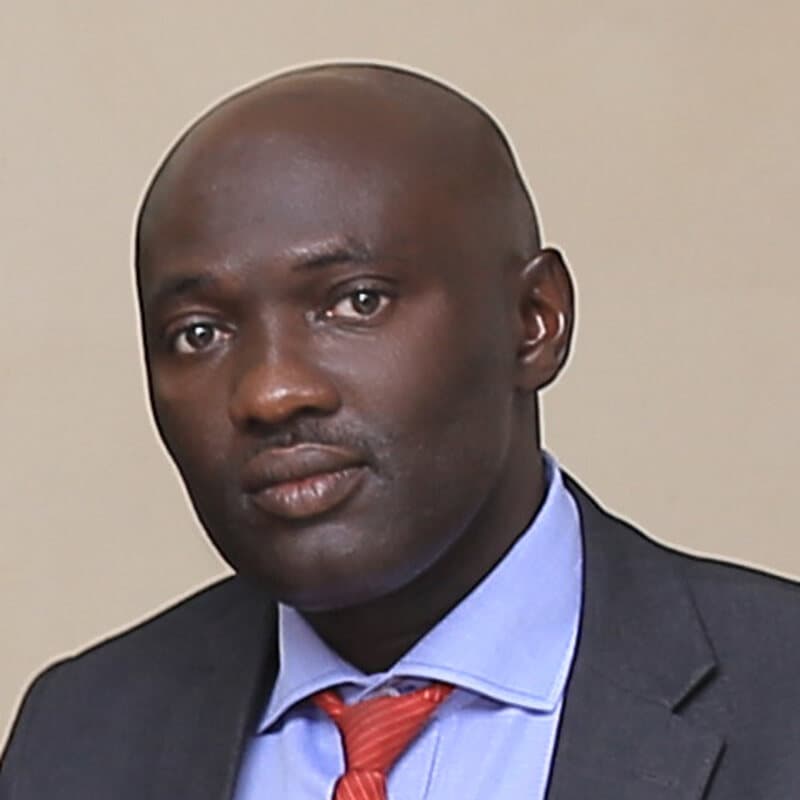
Mr. Sserunjogi Abdul
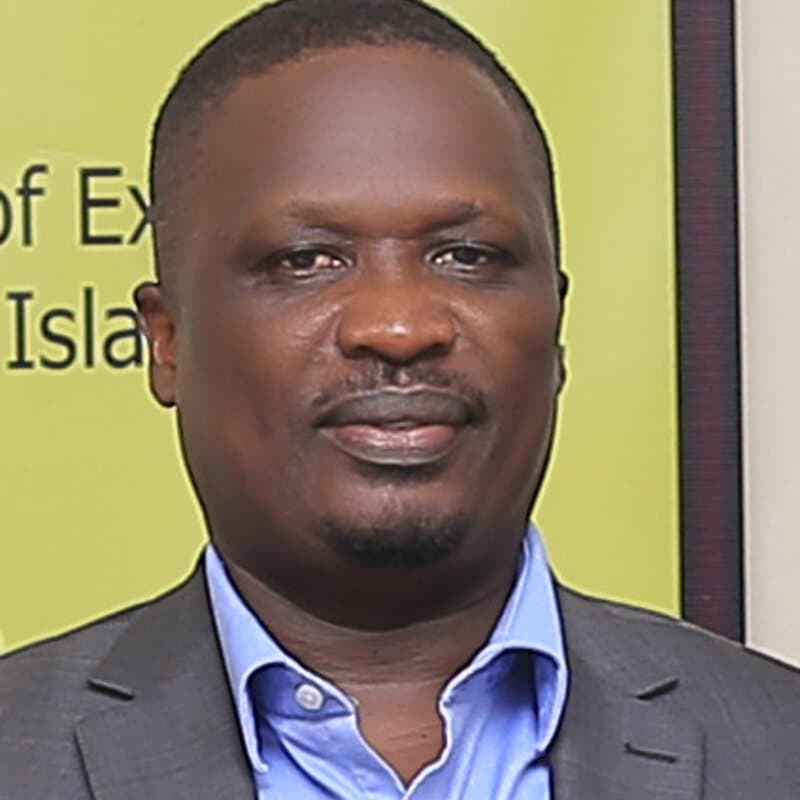
Mr. Wasswa Muhammad Mwanje
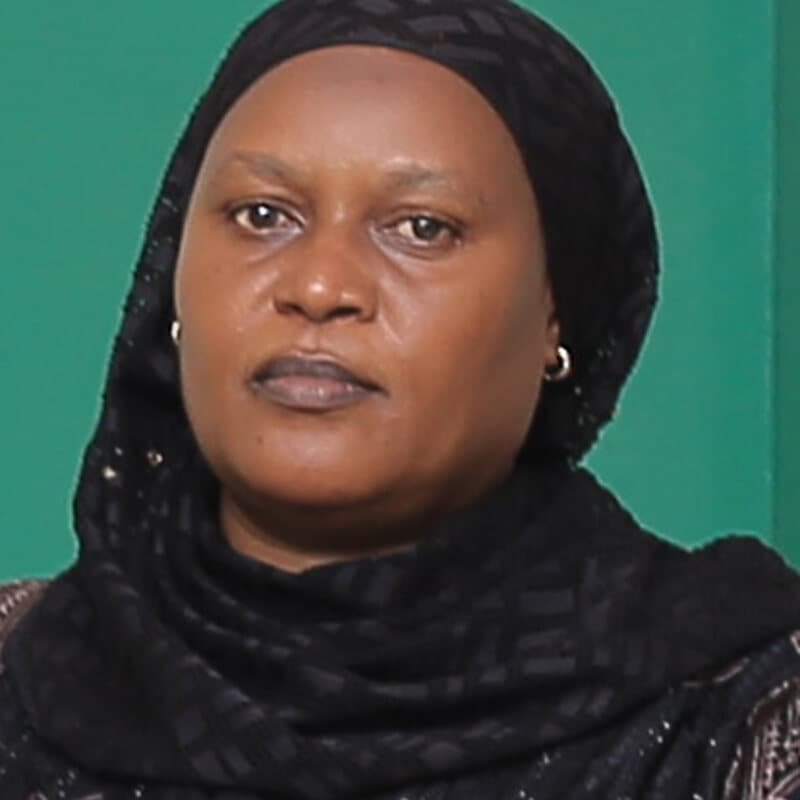
Ms. Namutebi Khadija Kintu
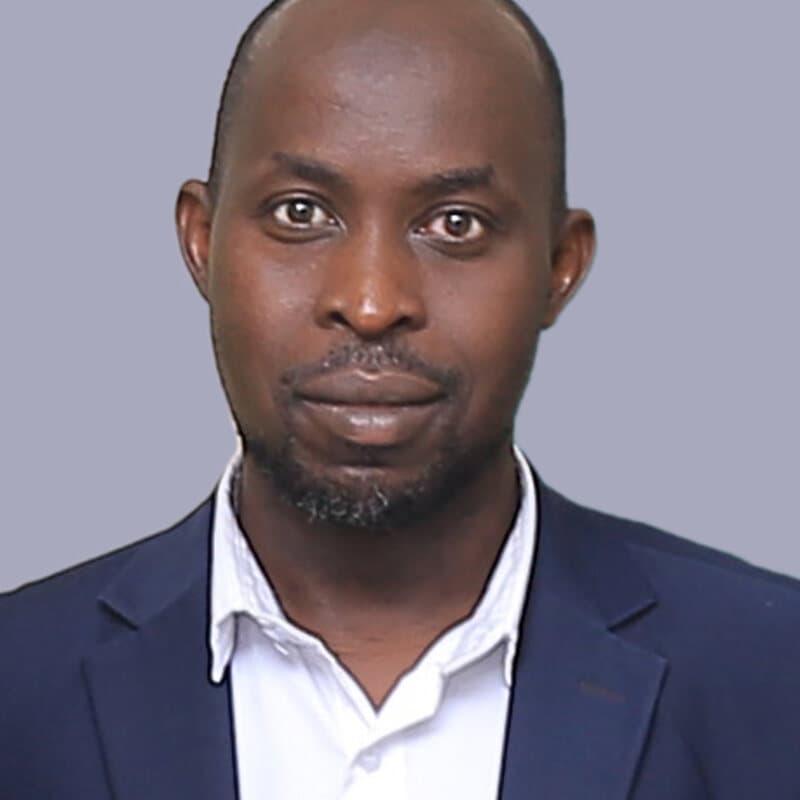
Hajj Kawooya Abubaker
Arch. Abdu Wahab Nyanzi
Board committees
Academic, Sports, Games & Recreation
Chairperson
Prof. Sa'adat Nakyejwe Kimuli
Members
- Dr. Joweria Mayanja Teera
- Mr. Sserunjogi Abdul
- Hajjat Namutebi Hadijah Kintu
- Hajj Kawooya Abubaker
- Dr. Buwembo Kakande
- Hajjat Rehema Jingo Kakonge
Discipline & Public Relations
Chairperson
Prof. Umar Kakumba
Members
- Mr. Matovu Elias
- Mr. Wasswa Muhammad Mwanje
- Prof. Sa'adat Nakyejwe Kimuli
- Mr. Sserunjogi Abdul
Finance, Development, Production, Self-Help & Welfare
Chairperson
Hajjat Rehema Jingo Kakonge
Members
- Dr. Buwembo Kakande
- Hajj Kawooya Abubaker
- Prof. Umar Kakumba
- Mr. Wasswa Muhammad Mwanje
- Ms. Namutebi Khadija Kintu
- Arch. Abdu Wahab Nyanzi
Infrastructure Select
Chairperson
Arch. Abdu Wahab Nyanzi
Members
- Prof. Sa'adat Nakyejwe Kimuli
Audit
Chairperson
Mr. Matovu Elias
Members
- Dr. Joweria Mayanja Teera
- Arch. Abdu Wahab Nyanzi
- Two external auditors
School management
The Top Management Team is led by the Head Teacher, supported by the three Deputies and the directors and officers below, then Heads of Department, class teachers and teachers. Student leaders form an integral part of management.
Parents’ & Teachers’ Association
The Parents' and Teachers' Association works alongside the Board of Governors and has, over the decades, funded much of the school's growth. Its executive committee was chaired by Owek. Hajj Kakomo Hamis.
Kibuli Old Students Association (KOSA)
Kibuli has a strong and vibrant Old Students Association, KOSA, connecting generations of former students who continue to support and champion the school.
Headed by Mr. Nyanzi.
Visit the alumni communityManagement systems
The Board governs the school's finances through its Finance & Development committee. The school runs a computerised accounting system with qualified accounts staff and an internal auditor, and its books have been audited annually by the Auditor General. Procurement follows the Public Procurement and Disposal of Assets Act (PPDA), with a procurement and disposal unit and a contracts committee in place.
Looking ahead
Growing for the future
Under its Strategic Plan (2022–2026) the school is planning a new campus, alongside major infrastructure development to match a student population that has more than doubled over the years.